

FAQs
-
No. Due to the type of products we produce and sell (and in an effort to keep products safe and pure) we do not offer returns.
-
As a small family owned business we do not have all the employees and staff, warehouses, or fancy things to get the job done. (Yet;) However, we strive to deliver every order within 1-2 weeks.
-
Absolutely! Although we understand the skepticism behind natural cleaning we can say with confidence our products WORK. Each product is uniquely designed to give you the same or BETTER “ease of use” as streamlined toxic cleaners and the same or BETTER “cleaning power.”
-
Natural cleaning is important for SO many reasons. We beg you to read a few stats below for just a few of the many reasons! Stay safe and be blessed!

“No tests to assess the combined impacts of the "chemical soup" to which children are exposed. WHO, UNICEF, and UNEP have reported a growing number of children's health impacts caused by exposure to hazardous chemicals, including asthma, birth defects, hypospadias, behavioral disorders, learning disabilities, autism, cancer, dysfunctional immune systems, neurological impairments, and reproductive disorders.”
Lloyd-Smith, Mariann, and Bro Sheffield-Brotherton. “Children's environmental health: intergenerational equity in action--a civil
society perspective.” Annals of the New York Academy of Sciences vol. 1140 (2008): 190-200. doi:10.1196/annals.1454.051
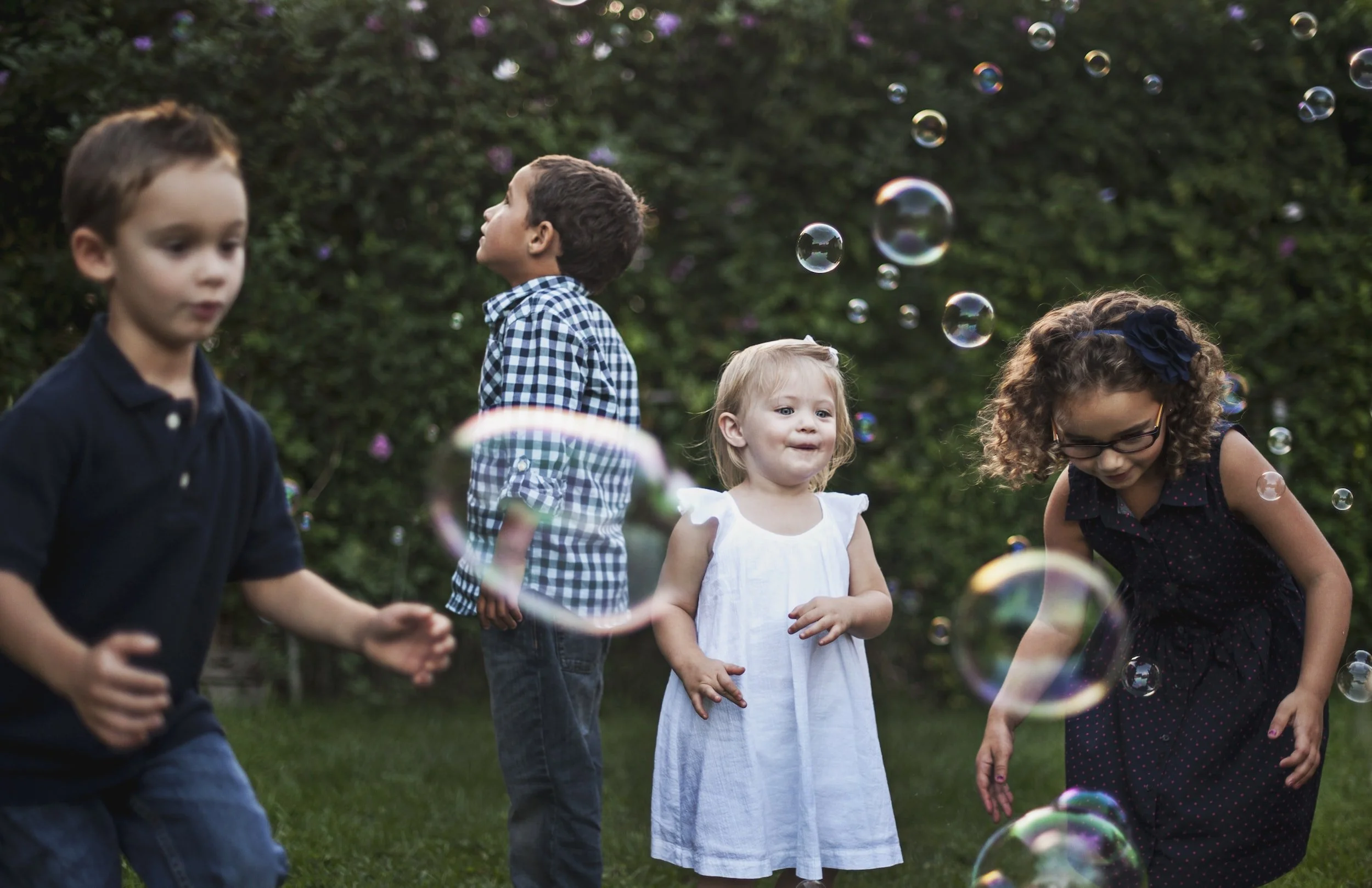
"The March of Dimes estimates that 200,000 live infants are born with birth defects each year as a result of parental chemical exposure."
(Center for Disease Control, Morbidity and Mortality Weekly Report, "Disorders of Reproduction", 8/6/85)
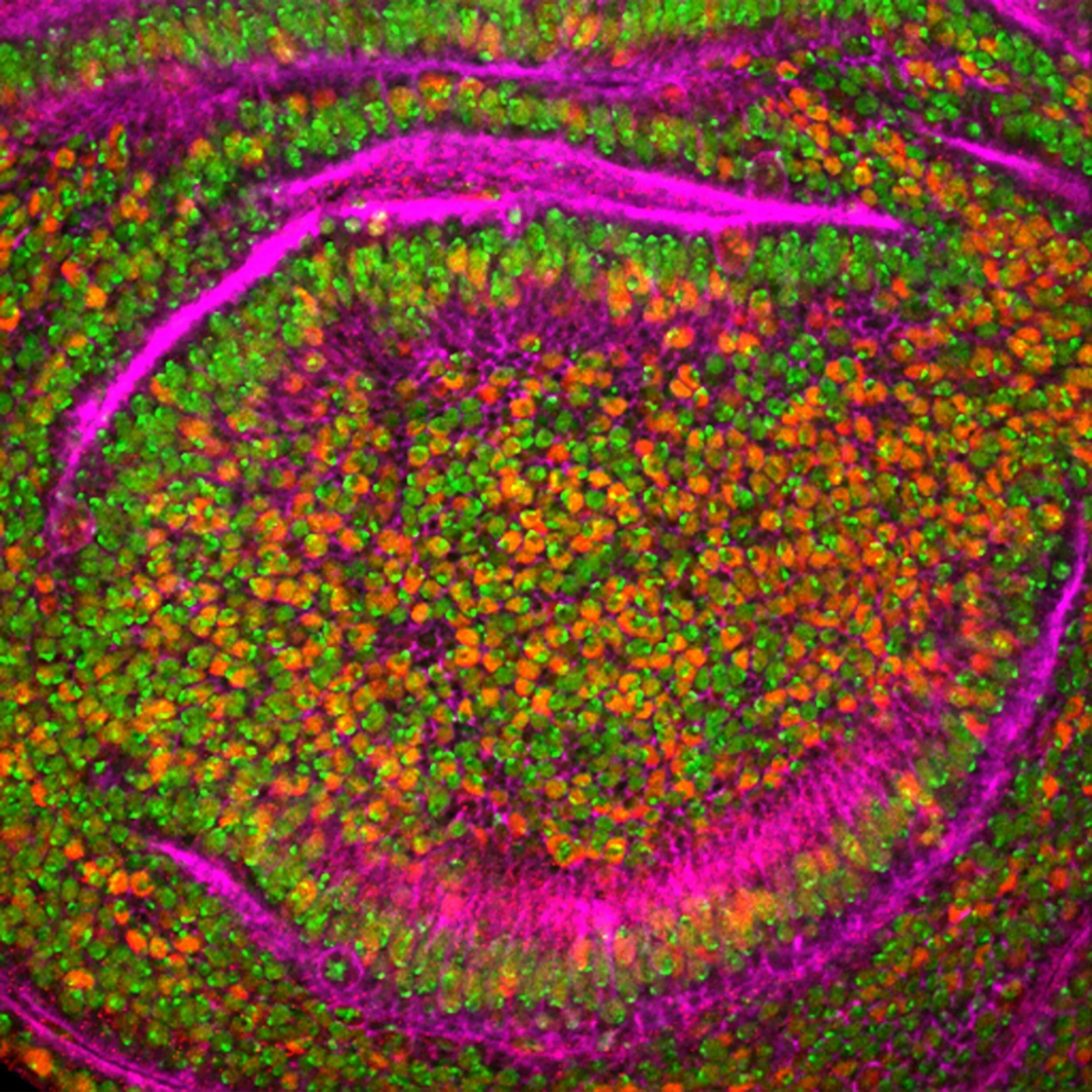
“It is estimated that 42 billion pounds of chemicals enter American commerce daily, enough chemicals to fill up 623,000 tanker trucks, a string of trucks that could straddle the globe three times, every day. Fewer than 500 of those substances have undergone any substantive risk assessments.”
Exposed by Mark Schapiro
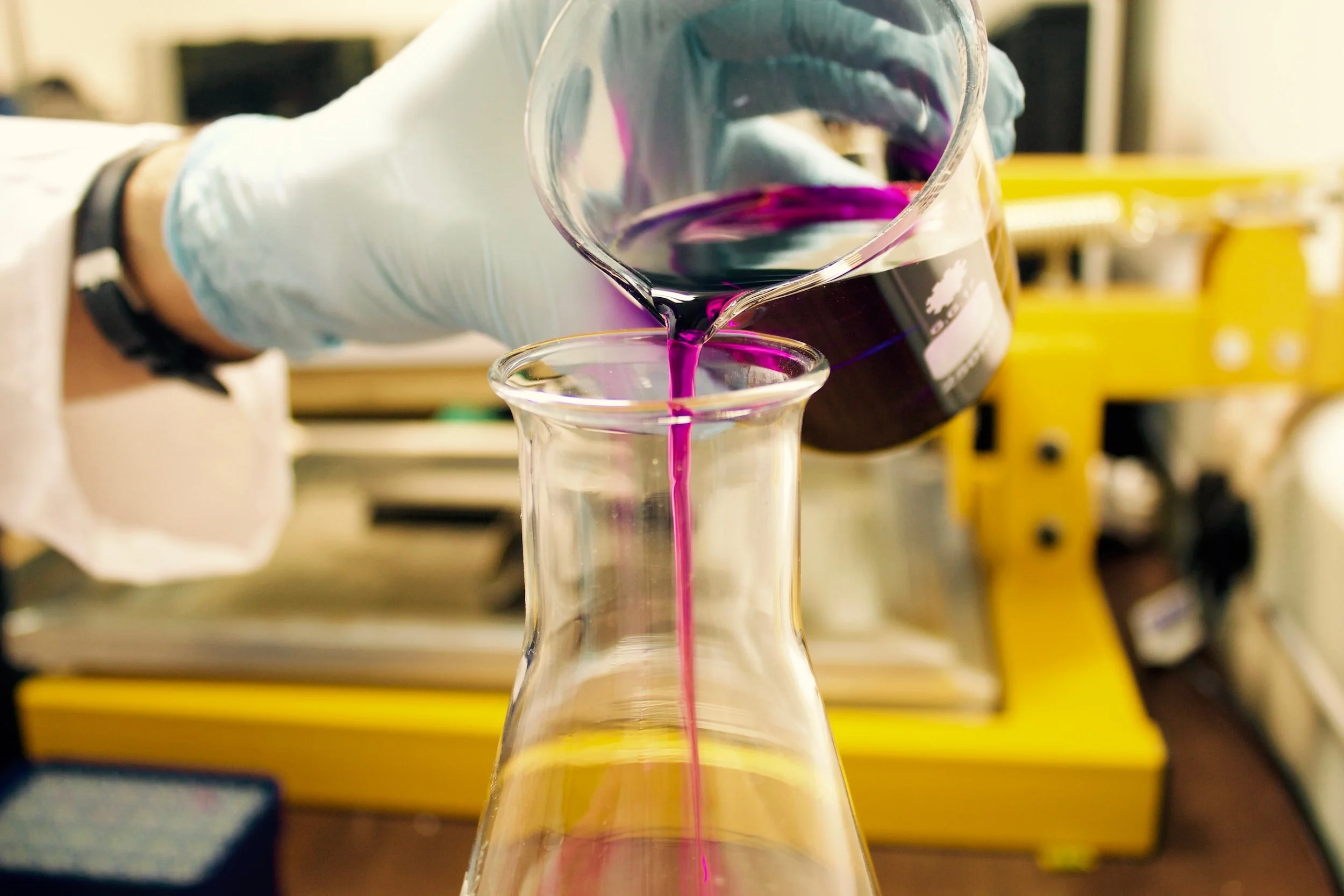
“The government only requires companies to list ‘chemicals of known concern’ on their labels. The key word here is ‘known’,” she says. “The fact is that the government has no idea whether most of the chemicals used in everyday cleaning products are safe because it doesn’t test them, and it doesn’t require manufacturers to test them either.”
“Corporate Whitewash?: Why Do Cleaning Product-Makers Keep Most of Their Ingredients Secret?” Scientific American, 13 Apr. 2011, www.scientificamerican.com/article/toxic-ingredients-cleaning products/#:~:text=Since%20cleaning%20products%20aren’t,U.S.%20Food%20and%20Drug%20Administration.